
Flakes are frustrating—but choosing the wrong product is even worse.
Before recommending or buying anything, it’s critical to know whether the issue is dandruff or dry scalp, because each needs a completely different solution.
Below, we break down the differences and recommend specific, proven products—with clear explanations of why they work.
This post contains affiliate links. If you purchase through these links, we may earn a small commission at no extra cost to you. This helps us keep creating helpful hair and beauty content!
TOP PICKS
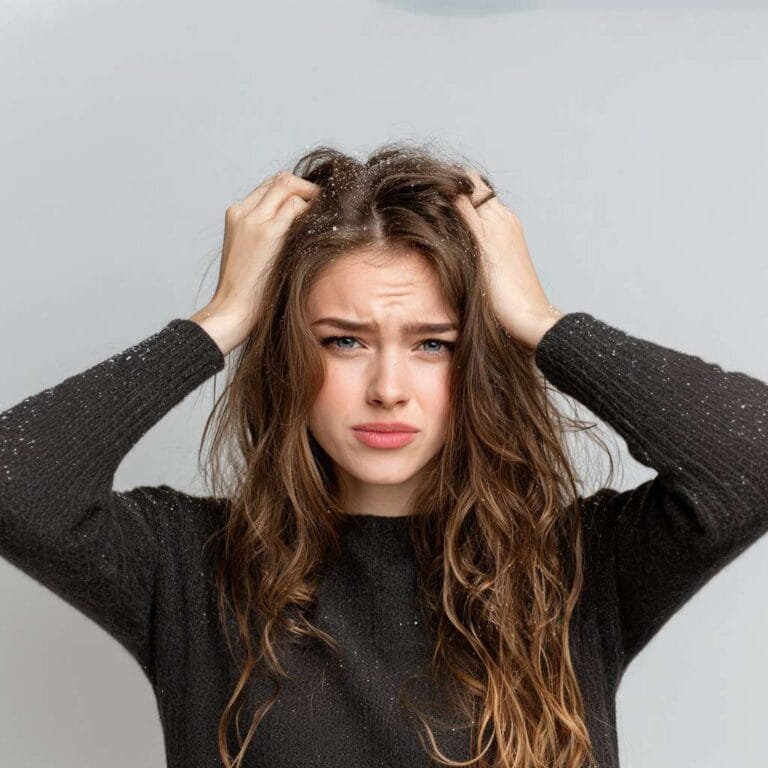
7 Key Differences Between Dandruff and Dry Scalp
| Feature | Dandruff | Dry Scalp |
|---|---|---|
| Cause of Flakes | Overgrowth of Malassezia fungus; oily scalp; stress | Lack of moisture; harsh shampoos; cold weather; dehydration |
| Type of Flakes | Large, oily, yellowish-white flakes | Small, dry, white flakes |
| Scalp Condition | Oily or greasy | Tight, dry, rough |
| Itchiness | Moderate to severe, may cause irritation | Mild, due to dryness |
| Appearance of Hair | Hair looks oily or weighed down | Hair appears dull and brittle |
| Common Triggers | Stress, hormonal changes, poor diet, fungal overgrowth | Cold weather, over-washing, low humidity, harsh products |
| Treatment | Anti-dandruff shampoos (zinc pyrithione, ketoconazole, selenium sulfide), scalp hygiene, stress management | Moisturizing shampoos/conditioners, natural oils (coconut/argan), avoid overwashing |
DANDRUFF: Causes, Symptoms & Best Product Solutions
What Causes Dandruff?
Dandruff is caused by excess oil and an overgrowth of Malassezia fungus on the scalp. This leads to inflammation, itching, and large oily flakes.
Key Signs
Yellowish or white greasy flakes
Oily scalp
Persistent itching
Flakes stick to hair and scalp
Best Product Solutions for Dandruff
1. Anti-Dandruff Shampoos
Recommended Products:
Head & Shoulders Clinical Strength Dandruff Defense Shampoo
Nizoral A-D Ketoconazole Shampoo
Neutrogena T/Gel Therapeutic Shampoo
Why These Work:
These shampoos contain clinically proven antifungal ingredients like zinc pyrithione or ketoconazole that:
Kill dandruff-causing fungus
Reduce scalp inflammation
Control excess oil without stripping
How to Use:
Massage into scalp, leave on for 3–5 minutes, use 2–3 times weekly.
2. Tea Tree & Scalp-Balancing Treatments
Recommended Products:
Paul Mitchell Tea Tree Special Shampoo
Maple Holistics Tea Tree Shampoo
Why These Work:
Tea tree oil is naturally antifungal and soothing, helping:
Calm itchiness
Reduce flakes
Refresh oily scalps
Best for customers with early-stage or recurring dandruff.
3. Lightweight Scalp Serums
Recommended Products:
The Ordinary Natural Moisturizing Factors + HA Scalp Serum
Briogeo Scalp Revival Charcoal + Tea Tree Treatment
Why These Work:
They soothe irritation without adding oil, helping dandruff shampoos work better.
DRY SCALP: Causes, Symptoms & Best Product Solutions
What Causes Dry Scalp?
Dry scalp is caused by lack of moisture, not fungus. Common triggers include cold weather, harsh shampoos, overwashing, and dehydration.
Key Signs
Small, white flakes
Tight or itchy scalp
Dull, brittle hair
Worse in winter or dry climates
Best Product Solutions for Dry Scalp
1. Moisturizing, Sulfate-Free Shampoos
Recommended Products:
SheaMoisture Raw Shea Butter Moisture Retention Shampoo
Briogeo Don’t Despair, Repair! Super Moisture Shampoo
Aveeno Oat Milk Blend Shampoo
Why These Work:
They gently cleanse while:
Restoring moisture
Preventing further dryness
Protecting the scalp barrier
Ideal for sensitive, flaky, tight scalps.
2. Deeply Hydrating Conditioners
Recommended Products:
Nexxus Humectress Moisturizing Conditioner
SheaMoisture Manuka Honey & Mafura Oil Conditioner
Why These Work:
These conditioners:
Lock in moisture
Improve scalp comfort
Reduce breakage caused by dryness
3. Nourishing Scalp Oils & Serums
Recommended Products:
Olaplex No.7 Bonding Oil (lightweight use)
Briogeo Scalp Revival Rosemary Oil
Jojoba Oil (natural option)
Why These Work:
They mimic the scalp’s natural oils, helping:
Soothe dryness
Reduce flaking
Restore softness without heaviness
Apply 2–3 drops, 1–2 times per week.
Can Someone Have Both Dandruff & Dry Scalp?
Yes—and it’s more common than people think.
Smart Solution Strategy:
- Treat the scalp with an antifungal shampoo
- Moisturize hair lengths only with hydrating conditioners or oils
This balanced approach prevents worsening either condition.
FAQ
1. What is the main difference between dandruff and dry scalp?
Dandruff is caused by excess oil and fungal overgrowth on the scalp, while dry scalp occurs due to lack of moisture. Although both cause flaking, they require very different treatments.
2. How can I tell if my flakes are dandruff or dry scalp?
Dandruff flakes are large, oily, and yellowish-white
Dry scalp flakes are small, dry, and white
If flakes stick to hair and scalp, it’s likely dandruff. If they fall easily, it’s usually dry scalp.
3. Does dandruff mean my scalp is dry?
No. Dandruff usually occurs on an oily scalp, not a dry one. Adding heavy oils can worsen dandruff by feeding the fungus that causes it.
4. Which condition causes more itching?
Dandruff typically causes moderate to severe itching due to inflammation.
Dry scalp itching is usually milder and related to dehydration or irritation.
5. What products work best for dandruff?
Dandruff responds best to antifungal shampoos containing:
Zinc pyrithione
Ketoconazole
Selenium sulfide