
Leave-in conditioner vs hair mask — which one actually works better?
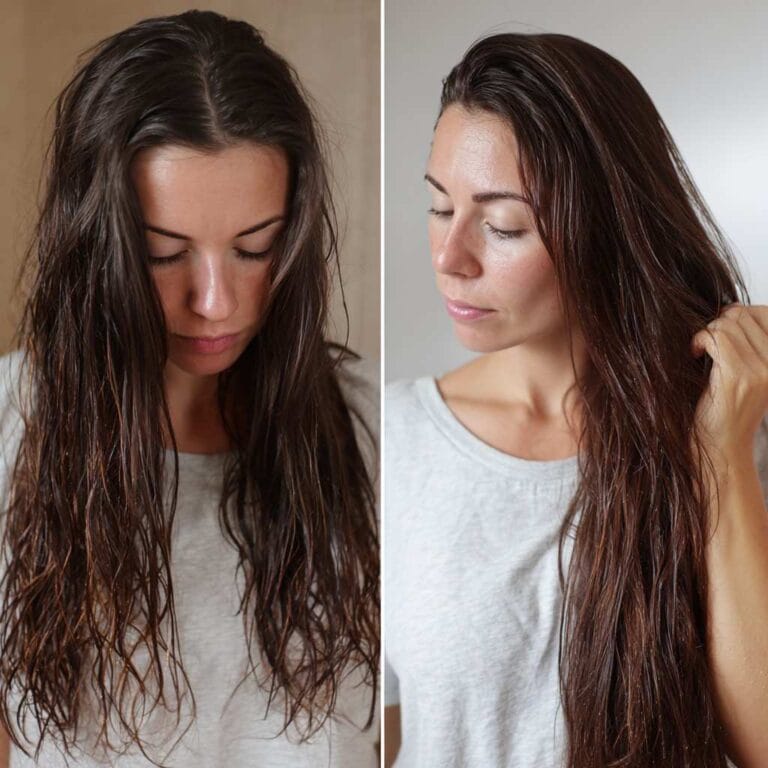
If your hair feels dry, frizzy, or damaged, choosing the right treatment can make the difference between okay hair and salon-smooth results.
Both products are designed to hydrate and improve hair health, but they serve very different purposes. Using the wrong one — or skipping one altogether — could be holding your hair back.
In this guide, you’ll learn exactly how leave-in conditioners and hair masks work, when to use them, and which one is best for your hair type.
This post contains affiliate links. If you purchase through these links, we may earn a small commission at no extra cost to you. This helps us keep creating helpful hair and beauty content!
TOP PICKS
What Is a Leave-In Conditioner?
A leave-in conditioner is a lightweight, no-rinse treatment applied to damp or dry hair after washing. Unlike regular conditioners, it stays in your hair to deliver continuous moisture and protection throughout the day.
Benefits of Leave-In Conditioner
Provides daily hydration
Detangles knots effortlessly
Reduces frizz and flyaways
Adds softness and shine
Protects hair from heat and environmental damage
Best for daily use and styling support
Ultimate Deep Conditioning
Moroccanoil Intense Hydrating Mask – A cult-favorite for delivering rich moisture and restoring softness to dry, frizzy strands.
Revlon Professional UniqOne All-In-One Hair Mask – All-in-one treatment that hydrates, strengthens, and detangles in one step.
Olaplex No.3 Hair Perfector – Highly rated repair mask that targets damage from heat and chemical treatments.
What Is a Hair Mask?
A hair mask is a deep-conditioning treatment packed with concentrated ingredients like oils, butters, proteins, and vitamins. It penetrates deep into the hair shaft to repair damage and restore moisture from within.
Think of a hair mask as a weekly rescue treatment — especially for dry, damaged, or color-treated hair.
Benefits of Hair Mask
Deeply repairs damaged strands
Restores intense moisture
Strengthens weak or brittle hair
Improves elasticity and texture
Delivers long-lasting softness and shine
Best for intensive repair and nourishment
Specialty & Budget-Friendly Hair Masks
Moroccanoil Intense Hydrating Mask – A cult-favorite for delivering rich moisture and restoring softness to dry, frizzy strands.
Revlon Professional UniqOne All-In-One Hair Mask – All-in-one treatment that hydrates, strengthens, and detangles in one step.
Olaplex No.3 Hair Perfector – Highly rated repair mask that targets damage from heat and chemical treatments.
Key Differences Between Hair Mask vs Conditioner
While both a hair mask and a conditioner aim to make your hair soft, smooth, and healthy, they differ in purpose, intensity, and results.
Purpose
Conditioner: Provides quick hydration and smoothness after shampooing. It makes hair easier to detangle and manage.
Hair Mask: Offers deep nourishment and repair. It restores moisture, strengthens damaged strands, and improves overall hair health.
Depth of Treatment
Conditioner: Works on the outer layer of the hair (the cuticle) to create instant softness and shine.
Hair Mask: Penetrates deep into the hair shaft (the cortex) to repair internal damage and strengthen the hair from within.
Frequency of Use
Conditioner: Used after every shampoo — part of your regular hair care routine.
Hair Mask: Used once or twice a week for an intensive treatment.
Duration
Conditioner: Applied for 1–3 minutes before rinsing.
Hair Mask: Left on for 10–30 minutes to allow deeper absorption of nutrients.
Texture & Formula
Conditioner: Usually light and creamy, designed for quick application and rinse.
Hair Mask: Thicker and richer, containing concentrated ingredients like oils, butters, and proteins.
Results
Conditioner: Gives instant softness, smoothness, and shine.
Hair Mask: Delivers long-term repair, strength, and hydration for damaged or dry hair.
Which One Is Best for Your Hair Type?
Choose a Leave-In Conditioner If:
You want everyday moisture
Your hair gets frizzy or tangled easily
You heat-style often
You need lightweight hydration without buildup
Perfect for fine, normal, or frizz-prone hair
Choose a Hair Mask If:
Your hair is dry, damaged, or color-treated
You experience breakage or split ends
Your hair feels rough or dull
You want deep repair and long-lasting hydration
Ideal for thick, curly, chemically treated, or damaged hair
Should You Use Both Hair Mask & Conditioner?
Yes — you should use both a hair mask and a conditioner, but not at the same time or in the same way.
Each product plays a unique role in your hair care routine:
The conditioner gives your hair daily hydration and smoothness.
The hair mask provides deep repair and nourishment when your hair needs extra care.
Together, they create a balanced, healthy hair routine that keeps your strands soft, strong, and shiny.
Why You Need Both
1. Conditioner for Everyday Maintenance
Used after every shampoo.
Keeps your hair manageable, detangled, and hydrated on a surface level.
Protects hair from dryness and frizz caused by regular washing or styling.
Conditioners act like your hair’s daily moisturizer — lightweight, quick, and essential for smoothness.
2. Hair Mask for Deep Treatment
Used once or twice a week.
Targets deeper damage caused by coloring, heat styling, or dryness.
Repairs, strengthens, and replenishes lost nutrients.
Final
If you want soft, shiny, and healthy hair, the real answer isn’t leave-in conditioner vs hair mask — it’s using both correctly.
Leave-in conditioner keeps your hair smooth and protected every day
Hair masks repair and restore your hair when it needs extra love
FAQ
What is the main difference between a leave-in conditioner and a hair mask?
The main difference is how deeply they treat the hair.
A leave-in conditioner provides lightweight, daily moisture and protection without rinsing, while a hair mask is a deep-conditioning treatment that repairs and nourishes hair from the inside and is rinsed out after use.
Is a hair mask better than a leave-in conditioner?
A hair mask is not better — it’s stronger and more intensive.
Hair masks are best for damaged, dry, or color-treated hair, while leave-in conditioners are ideal for everyday hydration, frizz control, and styling support. For best results, use both.
Can I use a leave-in conditioner and hair mask together?
Yes.
Use a hair mask once or twice a week after shampooing, rinse it out, then apply a leave-in conditioner to damp hair for daily moisture and protection.
How often should I use a hair mask?
Most hair types benefit from a hair mask 1–2 times per week.
Extremely dry or damaged hair may need more frequent use, while fine or oily hair should stick to once weekly.
How often should I use a leave-in conditioner?
Leave-in conditioner can be used after every wash or even daily, depending on your hair type. Lightweight formulas are suitable for regular use without buildup.
Is leave-in conditioner good for damaged hair?
Yes, but it works best as maintenance, not repair.
For damaged hair, combine a repair-focused hair mask with a strengthening leave-in conditioner for long-term results.
Which is better for frizzy hair: leave-in conditioner or hair mask?
Both help frizz, but in different ways:
Hair mask repairs dryness that causes frizz
Leave-in conditioner smooths frizz daily and protects hair from humidity
Using both gives the best frizz control.
Can fine hair use a hair mask?
Yes — fine hair can use a hair mask once a week, choosing lightweight or protein-balanced formulas. Avoid heavy masks too often to prevent flat or greasy hair.